Recycling Guide
Kieffer Sanitation is proud to serve commercial buildings, businesses, residential facilities, and homeowners as their recycling partner.
Not Sure How to Dispose Your Item?
Check out our guide below to learn what you can recycle and how it works.
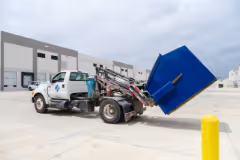
Check Out Our Recycling Solutions


What Residential Items Can’t Be Recycled via Curbside Collection
Residential recycling options may vary by location, so it's important to check with your local recycling options and guidelines in your area.
- Propane canisters
- Flares
- Needles
- Electronics
- Flammable liquids
- Batteries for e-cigarettes
- Helium tanks
- Lighters and matches
- Knives
- Household batteries
- Butane canisters
- Ceramic plant post
- Bear spray
- Paint
- Ammunition
- Straws
- Containers for motor oil, vehicle lubricant or antifreeze products
- Garden hoses
- Packaging labeled biodegradable or compostable
- Plastic string or rope
- Microwavable bowls with metal rims
- Plastic paint cans
- Plastic wrap
- Pails for lubricants and oils
- Plastic or foil lids from coffee and tea pods
- Liquid-absorbing pads, e.g., in trays of meat, poultry, fish, etc.
- Lawn edging, tarps, plastic furniture or toys
- Plastic blister packs e.g. plastic/foil protective packaging for chewing gum and pills
- Steel paint cans
- Coat hangers (return to dry cleaners)
- Pots, pans and baking trays
- Propane cylinders
- Metal toys
- Appliances
- Metal hardware or other scrap metal
- Wiring or metal cords, extension cords
- Plastic squeeze tubes
- Plastic-lined paper
- Cellophane wrap
- Plastic strapping
- 6-pack ring
- Biodegradable plastic
- PVC/vinyl
- Squishy foam
- Plastic blister packs e.g. plastic/foil protective packaging for chewing gum and pills
- Cardboard boxes with wax coating
- Paper bags with multiple layers that include a foil layer
- Paper bags with a plastic layer
- Paper towels, napkins
- Tissues
- Spray paint cans
- Aerosol cans with any contents remaining
- Propane cylinders
- Foil-lined cardboard take-out containers and lids
- Drinking glasses or dishes, cookware
- Whole or broken window glass or mirrors
- Ceramic products
- Light bulbs and light fixtures
- Liquid-absorbing pads used in trays for meat, poultry, fish, etc.
- Labels, tape, paper and cardboard on foam packaging
- Foam peanuts, packing chips, or noodles
- Blue or pink foam board insulation
- Squishy or flexible foam
- Furniture cushions
- Kitchen stretch wrap
- Packaging labeled biodegradable or compostable
- Lumber or construction wrap
- Garbage bags
- Hardcover or paperback books (donate or sell)
- Ribbons or bows
- Musical greeting cards with batteries
- Rubber bands
How Does Recycling Work?
We collect full recycle dumpsters at curbsides, multifamily dwellings, or businesses. At recycling facilities (MRFs), materials are sorted, cleaned, compressed, and prepared for sale to end markets.
Prepare your items
Clean items are crucial to avoid contamination during transportation.
Collection
Recycle cans are then collected at a curbside, multifamily dwelling, or business.
Recycling facility (MRF)
Materials are sorted and organized by material types, then inspected for final quality control clean-up before being compressed.
Incorrect Battery Disposal Can Cause Fires
Common household items seem harmless, however, the batteries in them pose risks when disposed into regular garbage or recycling containers because of their highly flammable nature.